GWL Voices convenes flagship UNGA81 event on women’s leadership and the next UN Secretary-General
Share
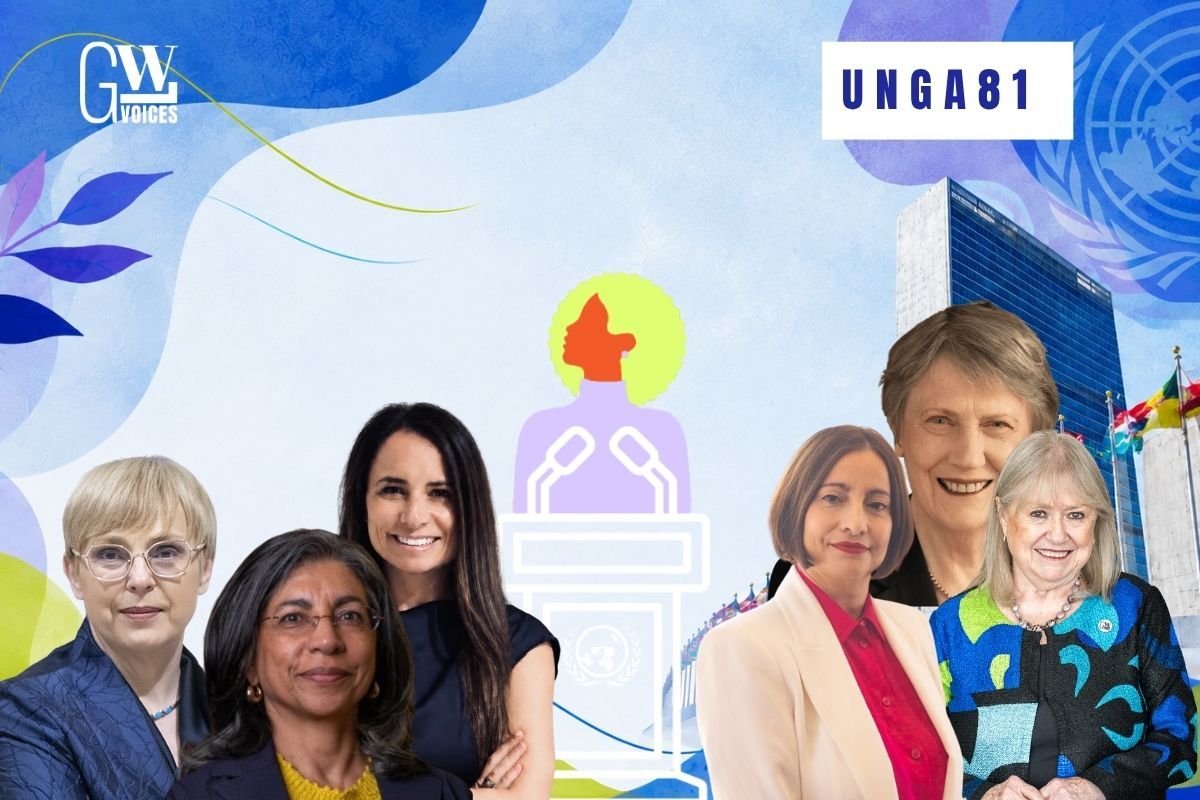
GWL Voices convened its flagship event “Who Gets to Shape the Global Conversation?” during the 81st session of the United Nations General Assembly, bringing together senior leaders, diplomats and civil society representatives to discuss the selection of the next UN Secretary-General and the role of representative leadership in the future of multilateralism.
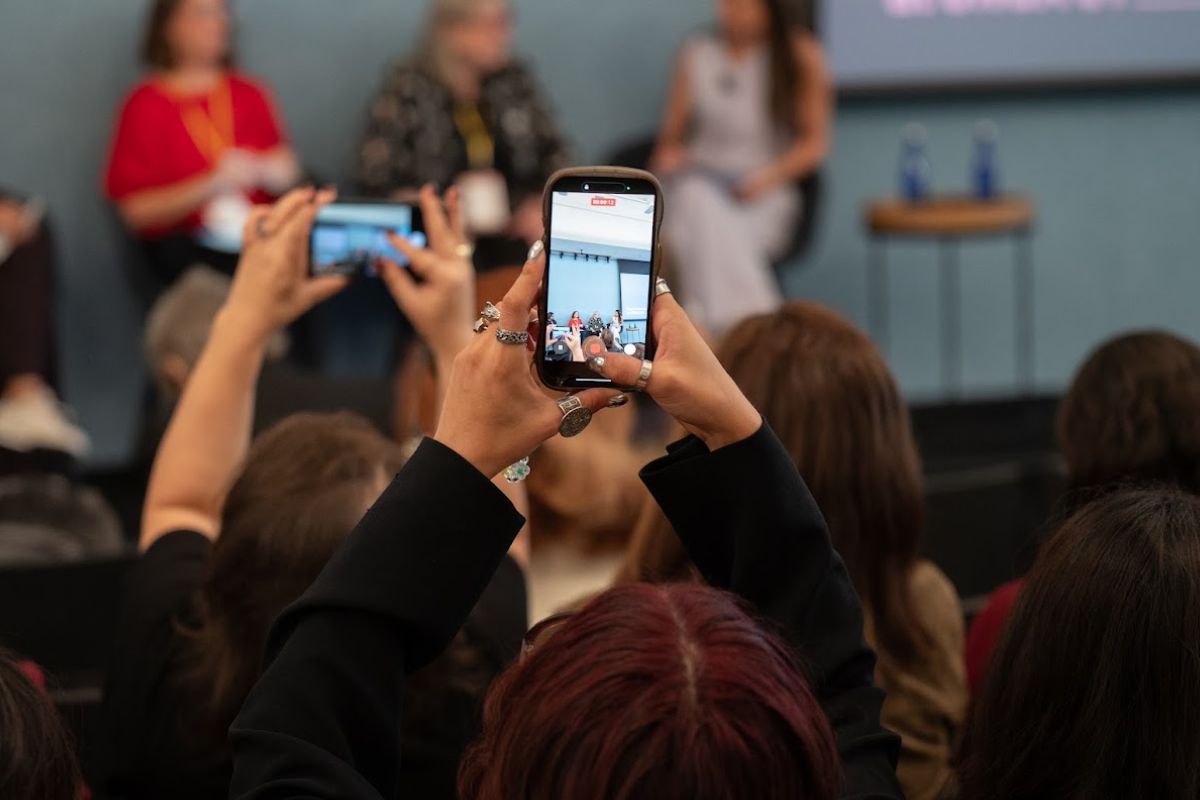
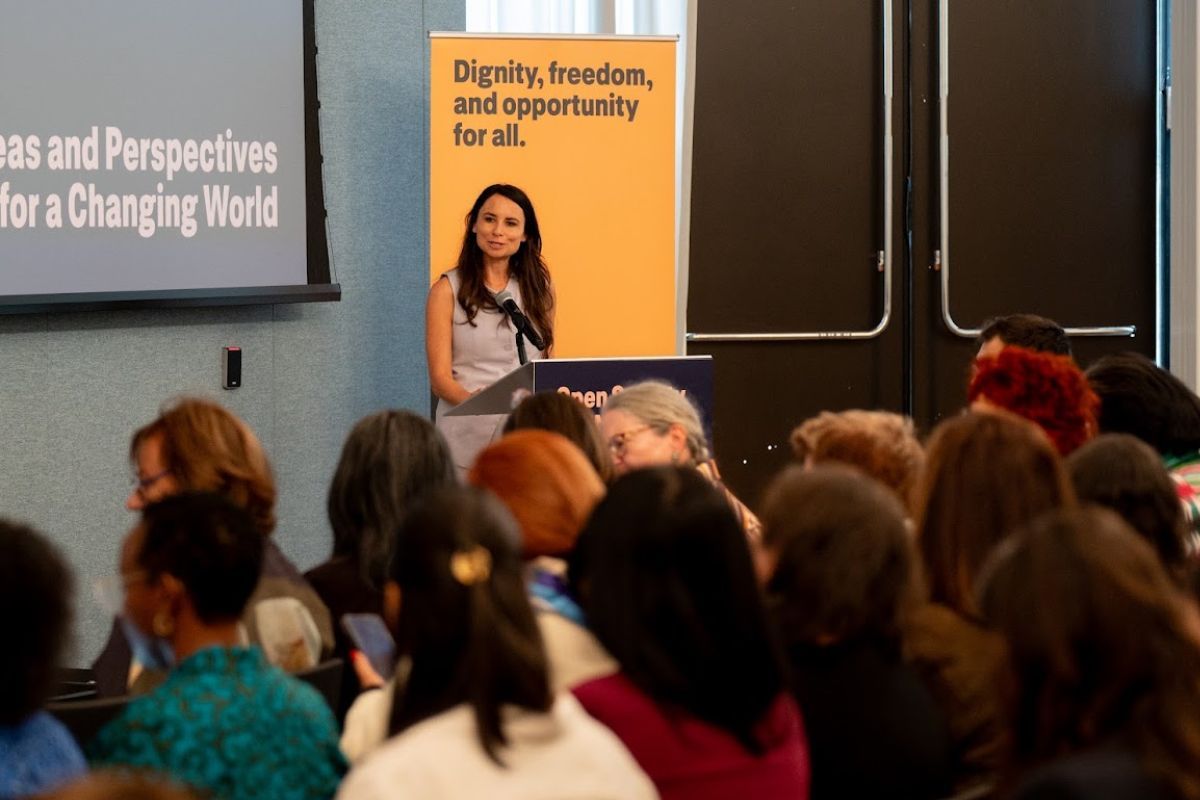
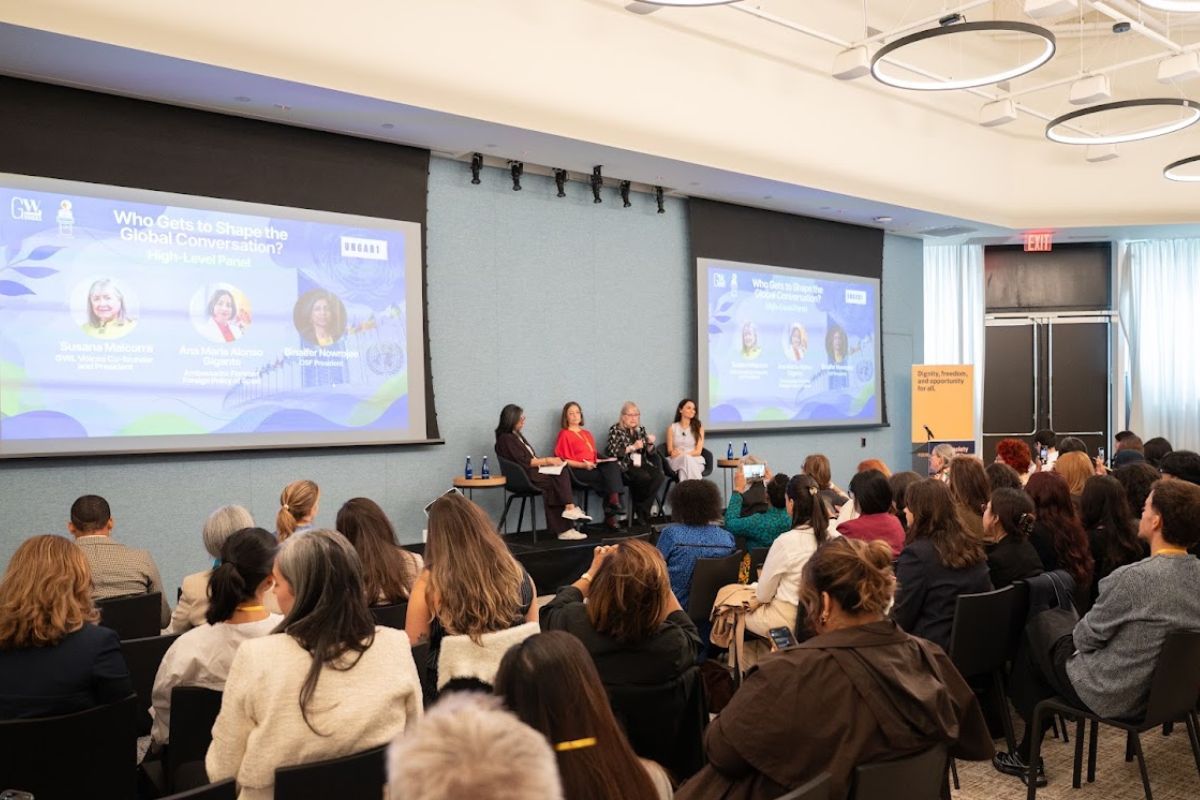
Hosted by the Open Society Foundations in New York and moderated by Ms Stephanie Fillion, Editor-in-Chief of ENVOY Magazine, the event examined the current Secretary-General selection process, the participation of women in multilateral leadership and the institutional challenges facing the United Nations. Speakers also discussed the role of Member States, civil society and the wider UN membership in shaping the process.
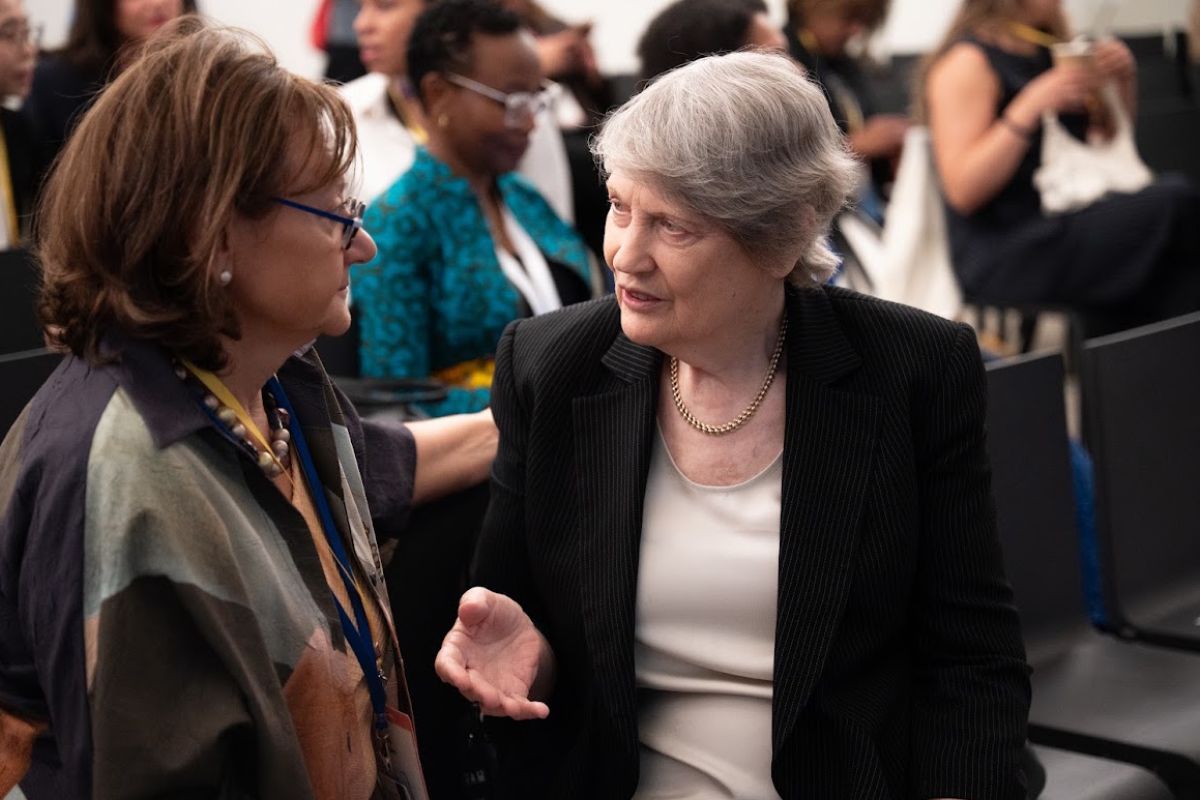
Opening the event, Rt Hon. Helen Clark, former Prime Minister of New Zealand, GWL Voices co-founder and member, and member of The Elders, reflected on the current Secretary-General selection compared with the 2016 process.
“This campaign for a woman Secretary-General is different from the last one. Last time there were more women candidates, and despite our obvious merits, none of us could ever get to the top spot in the ballots. This time, the top spots in the three indicative ballots have been taken by two women.”
Ms. Clark also highlighted the distinct nature of the UN Secretary-General selection process and the possibility of candidates entering the process at a late stage. Looking ahead to the challenges facing the next Secretary-General, she pointed to climate change, nuclear weapons, pandemics, artificial intelligence, ecosystem degradation and armed conflicts.
“The Secretary-General will have no hard power. None. But she has soft power. What we need is a Secretary-General who rolls up her sleeves and says, ‘I may fail, but I am going to try.’ You can't have sustainable development without peace, and you won't sustain peace without sustainable development.”
In a video message, H.E. Nataša Pirc Musar, President of Slovenia, addressed the continued underrepresentation of women in international leadership and argued that inclusive representation should be accompanied by leadership qualities such as empathy and attention to people who are excluded or vulnerable.
“Inclusive representation is needed, but it is not sufficient. The quality that stands out for today's world is the ability to care and to show empathy for the powerless, the excluded, the poor, the sick, the elderly, and for the environment.”
President. Pirc Musar said that, after eight decades of male leadership of the UN Secretariat, Member States should deliberately consider a woman for the position, describing women's leadership as a “structural prerequisite for effective multilateralism.”
The panel discussion brought together Ms. Susana Malcorra, President of GWL Voices and former Foreign Minister of Argentina and UN Chef de Cabinet of Secretary-General Ban Ki-moon; Ms. Binaifer Nowrojee, President of the Open Society Foundations; and H.E. Ana María Alonso Giganto, Ambassador for Feminist Foreign Policy of Spain.
Ms. Malcorra reflected on her own experience as a candidate in the 2016 Secretary-General selection and on the experiences of women who have sought senior positions in international institutions.
“Running as a woman was very tough. Either you were too strong or too soft, too pushy or not decisive enough. There was never the right balance.”
She stressed that the discussion should not be reduced to gender alone, arguing that the objective is leadership capable of responding to the challenges facing the organisation while also ensuring that women, representing half of the world's population, are represented at its highest level.
“We don't want a woman for the sake of a woman. We want someone who represents what is needed to lead this transformation, but we also need half the world's population to finally feel represented.”
Addressing the responsibilities and limitations of the Secretary-General, Ms. Malcorra described the role as combining diplomatic and political functions and emphasized the importance of using the authority of the office to draw attention to crises that might otherwise receive limited international attention.
“Please be persuaded that you do have power. You don't have generals under you, but you have power. If the Secretary-General goes to Sudan and brings light to it, will it be resolved immediately? I don't know, but something will change for the Sudanese.”
Ms. Nowrojee, President of the Open Society Foundations, placed the discussion within a broader debate about representation and the distribution of power within the multilateral system.
“What we are trying to do is monumental, giving a bigger voice to people historically excluded from the multilateral space. That is threatening, because it is about moving power, and power never concedes without a demand.”
Ms. Nowrojee also highlighted the changing dynamics of multilateralism beyond the traditional structures of the UN, pointing to initiatives such as the Accra reset and the Bridgetown Initiative as examples of efforts emerging from different parts of the international system.
Ambassador Alonso Giganto highlighted the role of Member States beyond the five permanent members of the Security Council in the Secretary-General selection process.
“We tend to think the decision is made only in the back rooms of the Security Council, by the P5. But it isn't only the P5. There are the ten elected members and the 193 member states of the whole organization.”
The event formed part of GWL Voices' broader Madam Secretary-General initiative, which uses research, public dialogue and evidence on women's representation to examine the future of leadership in the multilateral system and the selection of the next UN Secretary-General.