UN Town Hall Highlights Shared Priorities for the Next Secretary-General
Share
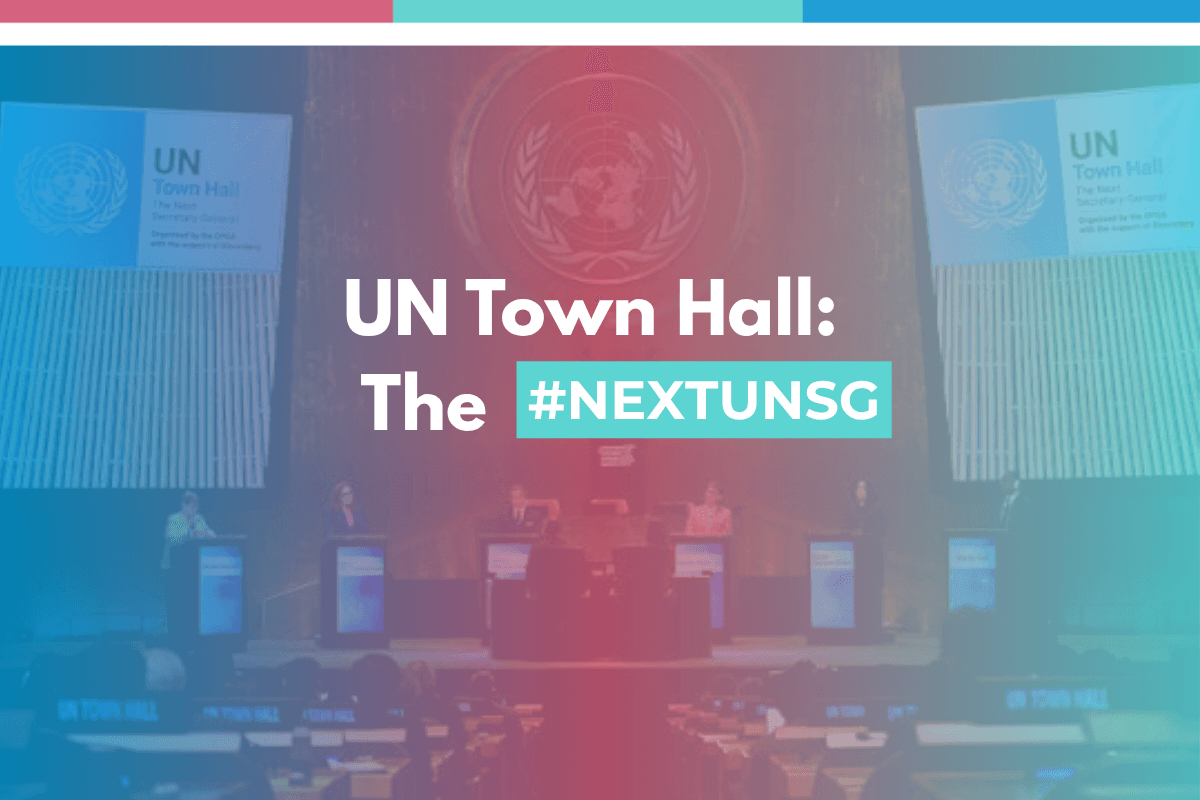
The UN Town Hall: The Next Secretary-General, convened by the President of the United Nations General Assembly on 23 July 2026 at UN Headquarters in New York, marked another important milestone in the ongoing selection process for the Organization's next leader. Bringing together the six candidates formerly presented by the 23 of July (Michelle Bachelet, María Fernanda Espinosa, Rafael Mariano Grossi, Rebeca Grynspan, Carolyn Rodrigues-Birkett and Macky Sall) in a single public forum, the event expanded opportunities for Member States, civil society, the media, and global audiences to hear directly from those seeking to lead the United Nations from 2027 onwards.
The Town Hall followed several months of increasingly open engagement with candidates, including the individual interactive dialogues organized by the President of the General Assembly, as well as public debates held in Geneva and Jeju. Together, these initiatives have contributed to a more transparent selection process by enabling greater public scrutiny of candidates' priorities and leadership approaches.
While each candidate presented distinct proposals, the discussion revealed several areas of broad convergence. Across the debate, candidates agreed that the United Nations faces a period of profound geopolitical uncertainty that requires renewed confidence in multilateralism, stronger institutional effectiveness, and greater trust between the Organization and its Member States.
Another common thread was the recognition that the next Secretary-General will need to lead an Organization confronting multiple interconnected challenges simultaneously. Discussions addressed conflict prevention and peacebuilding, sustainable development, climate change, financial constraints, and the growing impact of emerging technologies, including artificial intelligence.
The Town Hall also highlighted different perspectives on leadership itself. Several candidates stressed the importance of independence, moral authority, and the ability to build consensus among Member States, while others emphasized institutional management, organizational reform, or strengthening partnerships with civil society and younger generations. Although these approaches differed, they reflected a shared understanding that the credibility of the United Nations will depend not only on policy priorities but also on the leadership style of its next Secretary-General.