GWL Voices Launches Words Matter at UNGA81, Examining How Language Shapes Women’s Representation in the UN Security Council
Share
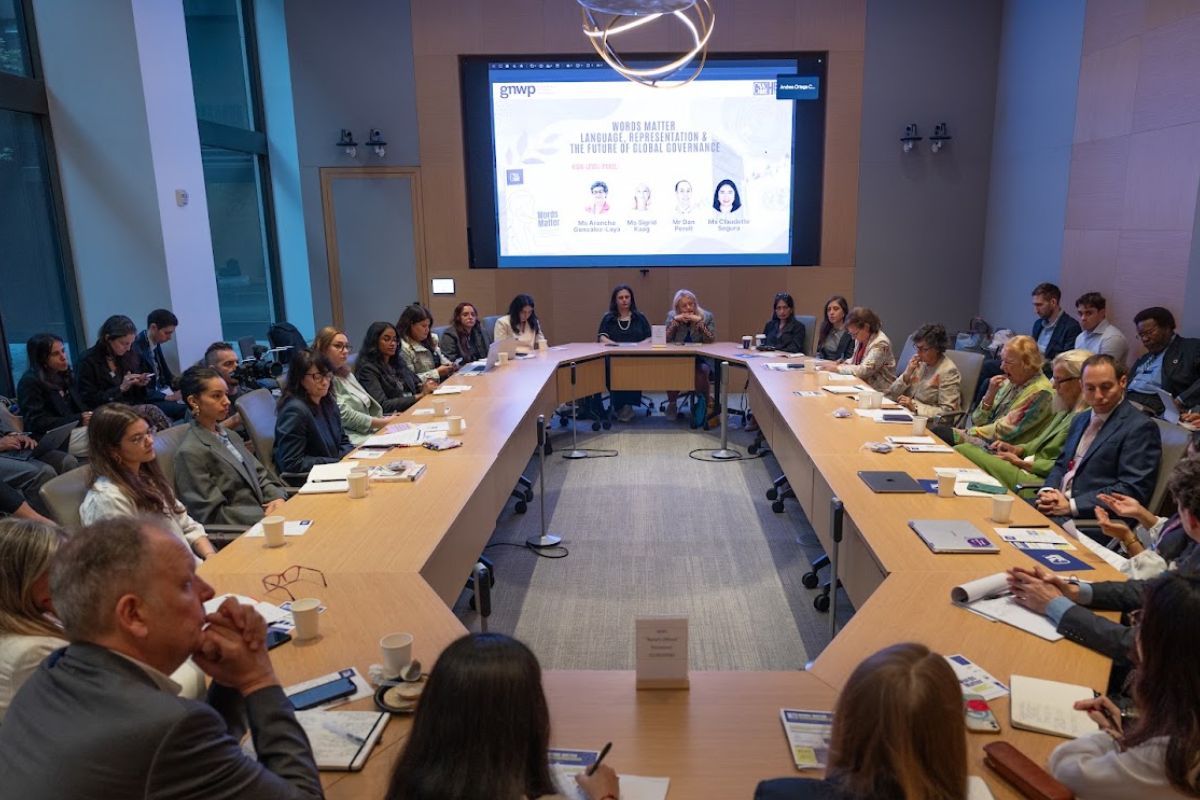
GWL Voices, in partnership with the Global Network of Women Peacebuilders (GNWP), launched Words Matter today during a United Nations General Assembly 81 side event in New York. The new research report examines how women, gender and representation have been referenced in United Nations Security Council resolutions over the past decade, highlighting the relationship between language, political priorities and implementation.
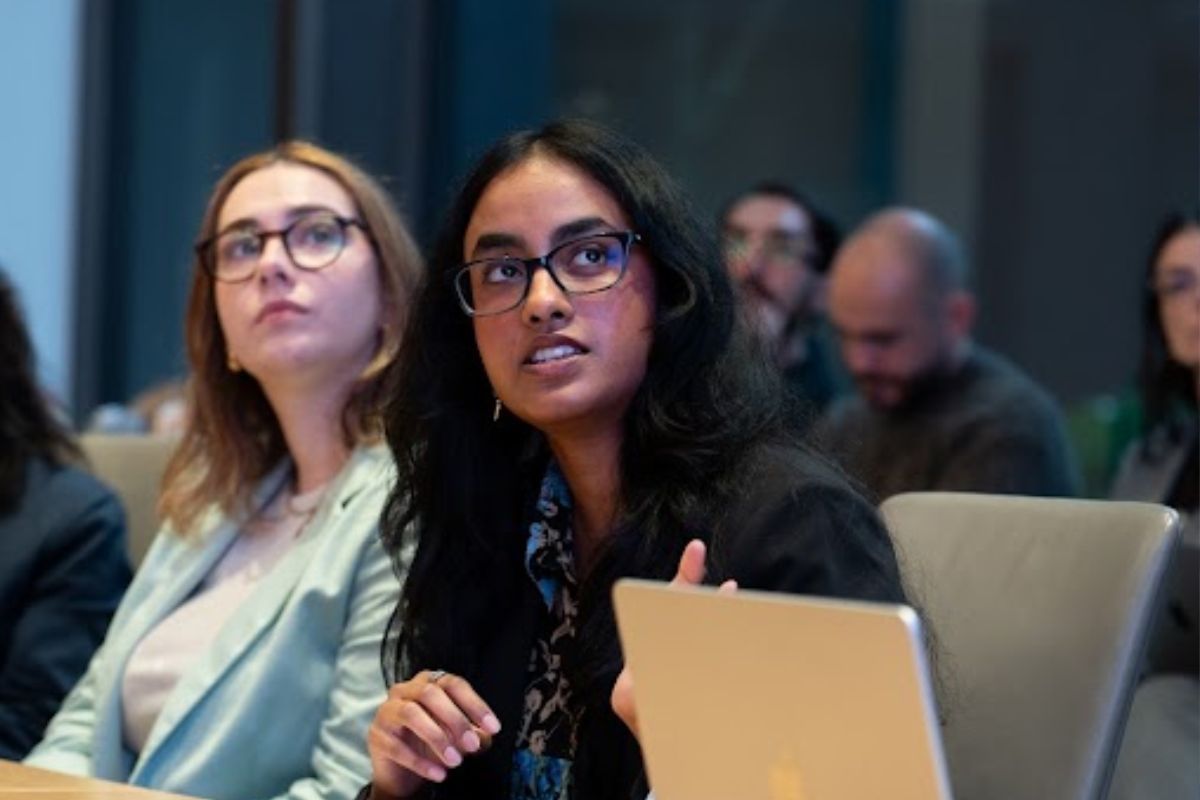
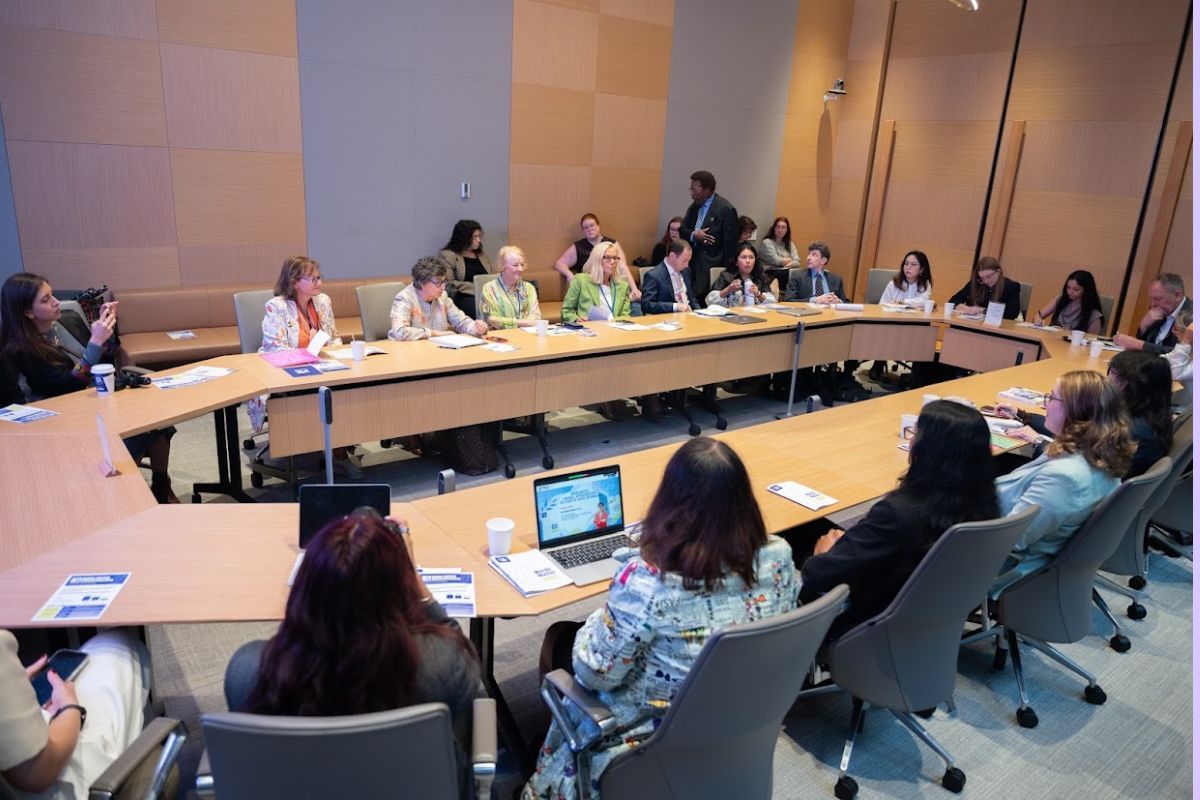
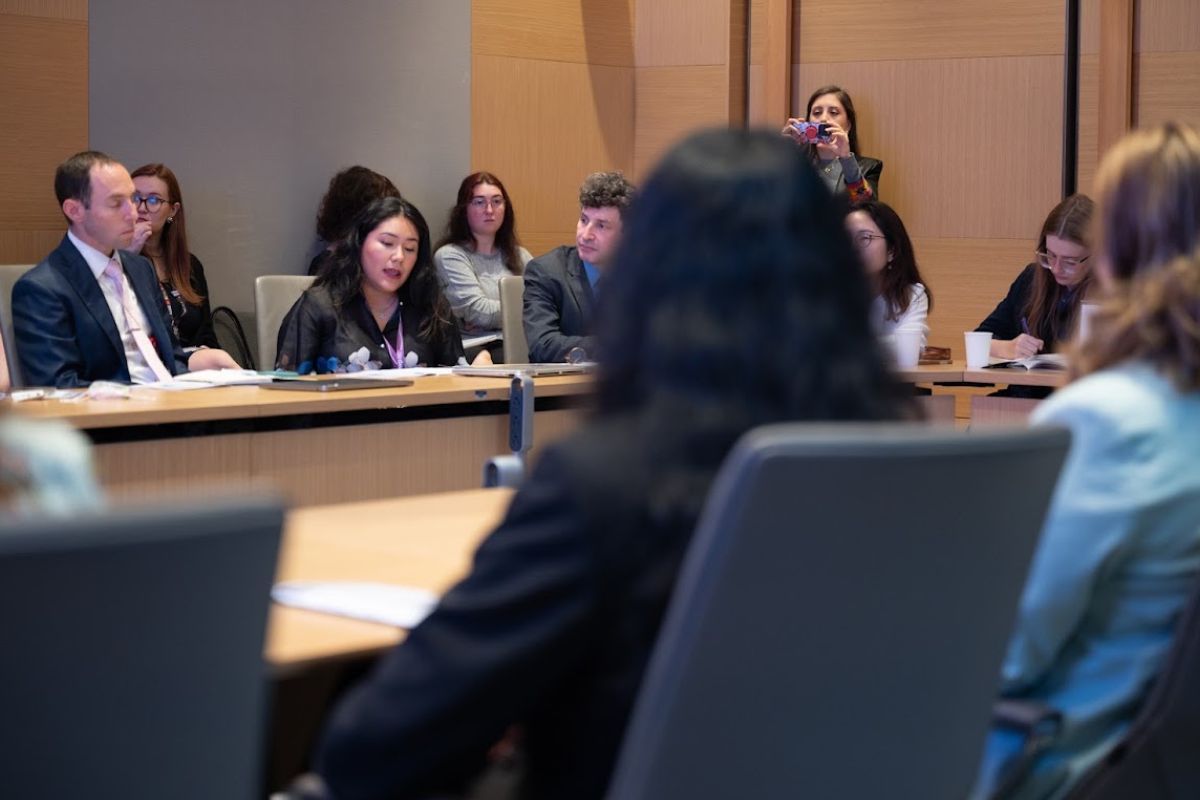
The event, held at the Bahá’í International Community Center, brought together researchers, diplomats, multilateral leaders and civil society representatives to discuss how the language used in international decision-making can shape whose experiences and priorities are recognized within the multilateral system.
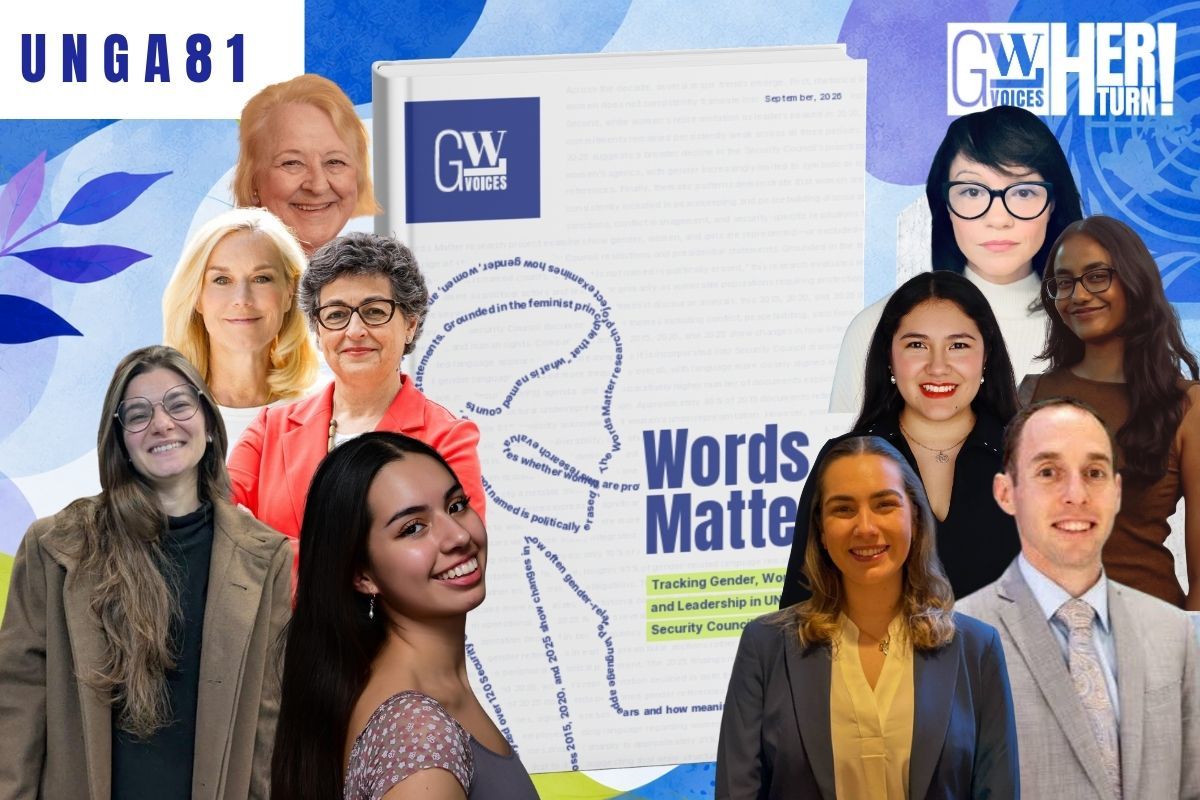
Developed as part of the Her Turn Knowledge Hub, Words Matter was authored by four graduates of The New School’s Master’s Program — Amanda Jorri, Giselle Morales, Ingrid Nielsen and Niyati Pendekanti — under the guidance of Professor Peter Hoffman. The research analyses more than 120 UN Security Council resolutions adopted in 2015, 2020 and 2025, examining how women and girls are represented and whether commitments to gender equality are reflected in substantive action.
From words to implementation
The discussion highlighted that language in international resolutions is not simply rhetorical. Participants examined how terminology can influence political attention, implementation and the inclusion of local perspectives in peace and security processes.
Claudette Segura, Researcher and Peacebuilding Officer for Latin America at GNWP, emphasized the connection between language and priorities:
“When women disappear from language, they also disappear from priorities.”
Dan Perell, United Nations Representative at the Bahá’í International Community, reflected on the gap between commitments to gender equality and their implementation in practice.
“On gender equality, we still don’t see it, live by it, and know how to apply it.”
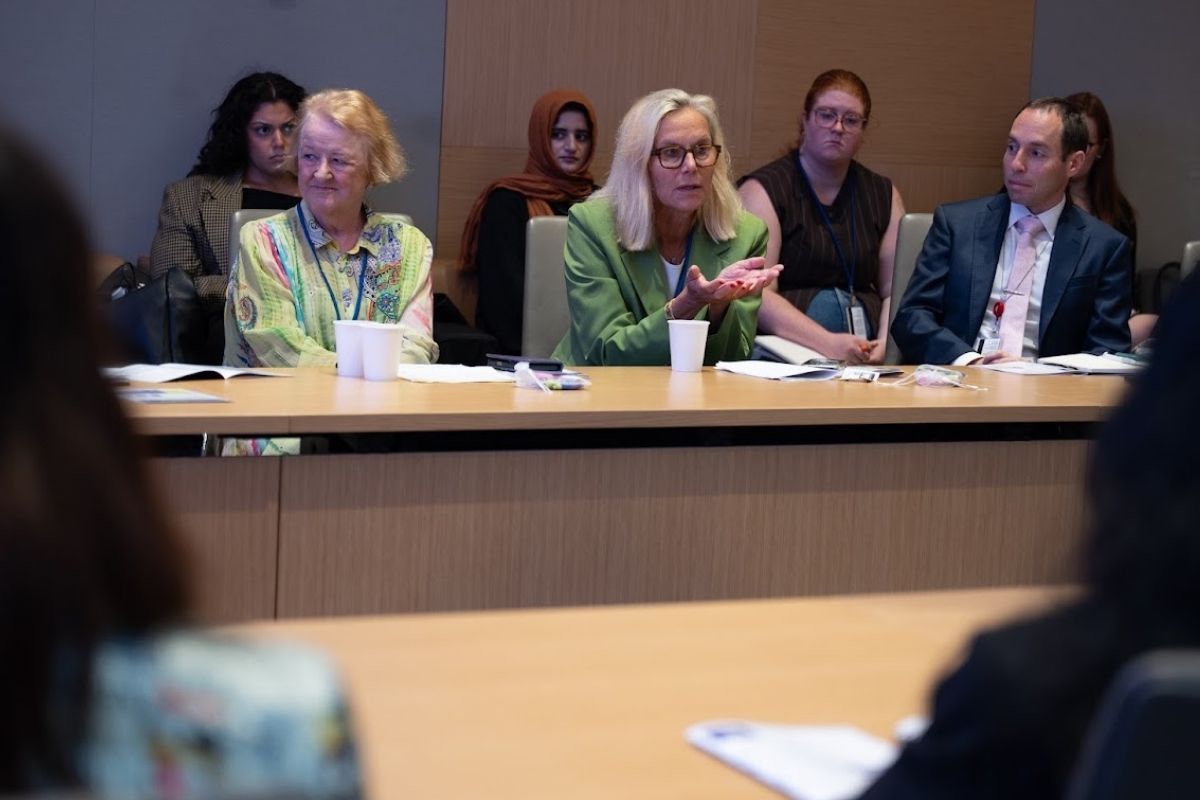
Sigrid Kaag, GWL Voices member, former Deputy Prime Minister of the Netherlands and former UN Under-Secretary-General, highlighted the broader significance of representation and political action.
“Women are the canary in the coal mine, as are minorities.”
Ms. Kaag noted that the language of Security Council resolutions can be limited when compared with the realities faced by people living through conflict.
She also stressed that language must be accompanied by political commitment and resources:
“Words matter, but words are also cheap. If there’s no political push, no financing, no real empowerment in real ways…”
Arancha González-Laya, GWL Voices member and Dean of the Paris School of International Affairs at Sciences Po, underscored that questions of representation extend beyond women’s participation alone.
“This cannot be a conversation of women talking to women about women we need to work with men and boys and making sure that at the end is about the solidity of democracy"
Jan Beagle highlighted the practical implications of language and the emerging challenges posed by artificial intelligence, noting that automated systems can also affect how women are represented in language.
“Words do matter in very practical ways.”
She also pointed to instances in which AI-generated language can omit the word “women,” potentially affecting how gender is represented in digital and institutional communication.